
How to Become a Forward Deployed Engineer in 2026
Demand for Forward Deployed Engineers continues to outpace supply. Companies building and deploying AI and complex enterprise platforms need engineers who can embed with customers, ship production systems, and own outcomes. This creates a clear opportunity for technical professionals who can develop the right combination of skills.
This guide explains what employers actually look for, which backgrounds transition most successfully, the core skill stack, and a practical path to prepare for the role.
What Employers Look for in Forward Deployed Engineers
Forward Deployed Engineer roles combine three capabilities that are rarely strong in the same person:
- Production engineering depth: the ability to write, debug, integrate, and maintain reliable systems.
- Customer-facing ownership: discovery, communication, and accountability for results inside a customer environment.
- Domain or AI deployment fluency: especially the ability to take models or platforms into real production settings.
Job descriptions consistently emphasize customer interaction, production code ownership, and increasingly AI-related skills such as LLM integration, retrieval systems, and evaluation. The hiring bar is not pure algorithmic excellence. It is the ability to operate effectively when requirements are incomplete and the environment belongs to the customer.
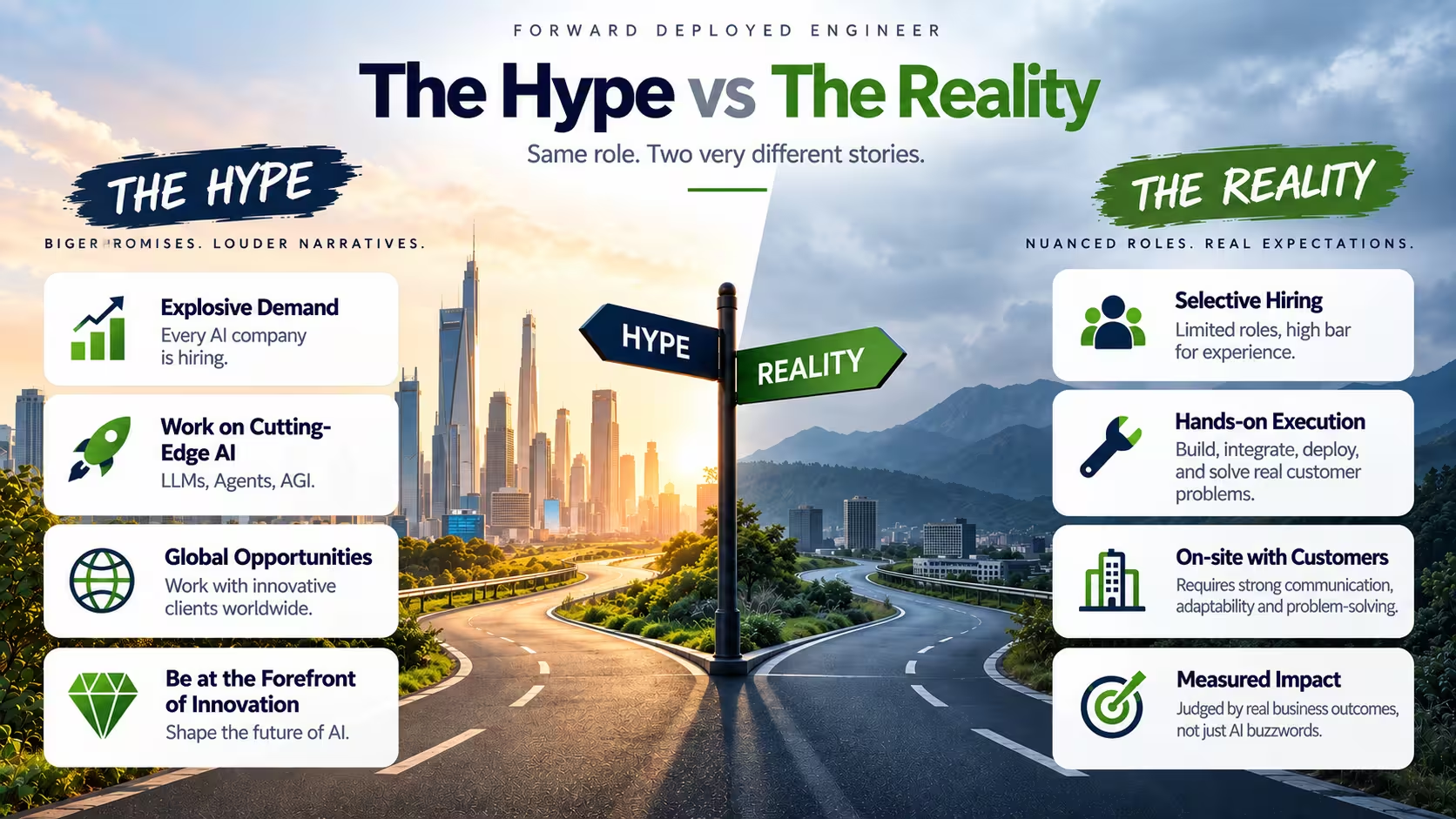
Forward Deployed Engineer Hype Versus Reality
Job listings point to a hands-on engineering role with real customer responsibility. FDEs are expected to code, integrate, and support production systems while translating customer needs into technical decisions. The role can offer broad ownership and visibility, but it may also involve ambiguity, customer pressure, and travel. Read listings for evidence of day-to-day engineering ownership, customer engagement, and support structures rather than relying on the title alone.
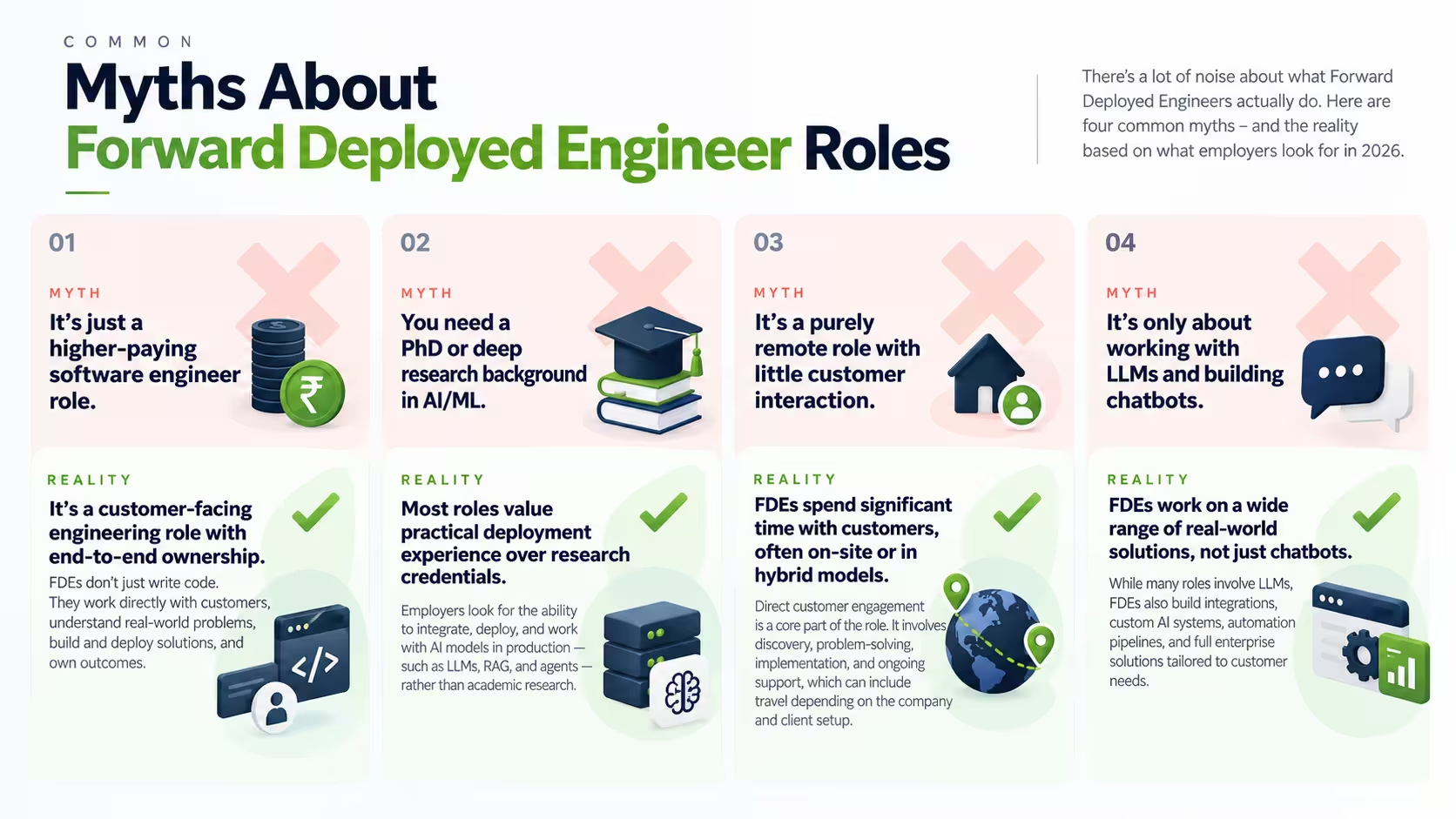
Four Common Myths About Forward Deployed Engineer Roles
Several assumptions can make the role sound different from the work employers describe:
- Myth: It is mainly a pre-sales role. Reality: strong FDE roles expect production code ownership and implementation through delivery.
- Myth: It is only about AI. Reality: the role also exists across enterprise software, data platforms, and other complex products.
- Myth: Communication can replace engineering depth. Reality: customer skills matter, but employers still expect engineers to build reliable systems.
- Myth: The work follows a clean specification. Reality: FDEs often discover the problem while working with customers and must make progress through ambiguity.
Backgrounds That Transition Well
- Early-stage startup engineers: broad ownership, incomplete requirements, and direct customer contact are often familiar.
- Senior product or full-stack engineers with customer exposure: customer escalations and implementation work provide a useful foundation.
- Solutions or customer engineers who code deeply: communication is already a strength; the usual gap is production engineering depth and ownership beyond demos.
- AI/ML engineers with deployment experience: valuable for AI-focused roles when they can work beyond research or model training.
Research-focused profiles and engineers who have only built internal features with clean requirements may need more preparation in customer work and production integration.
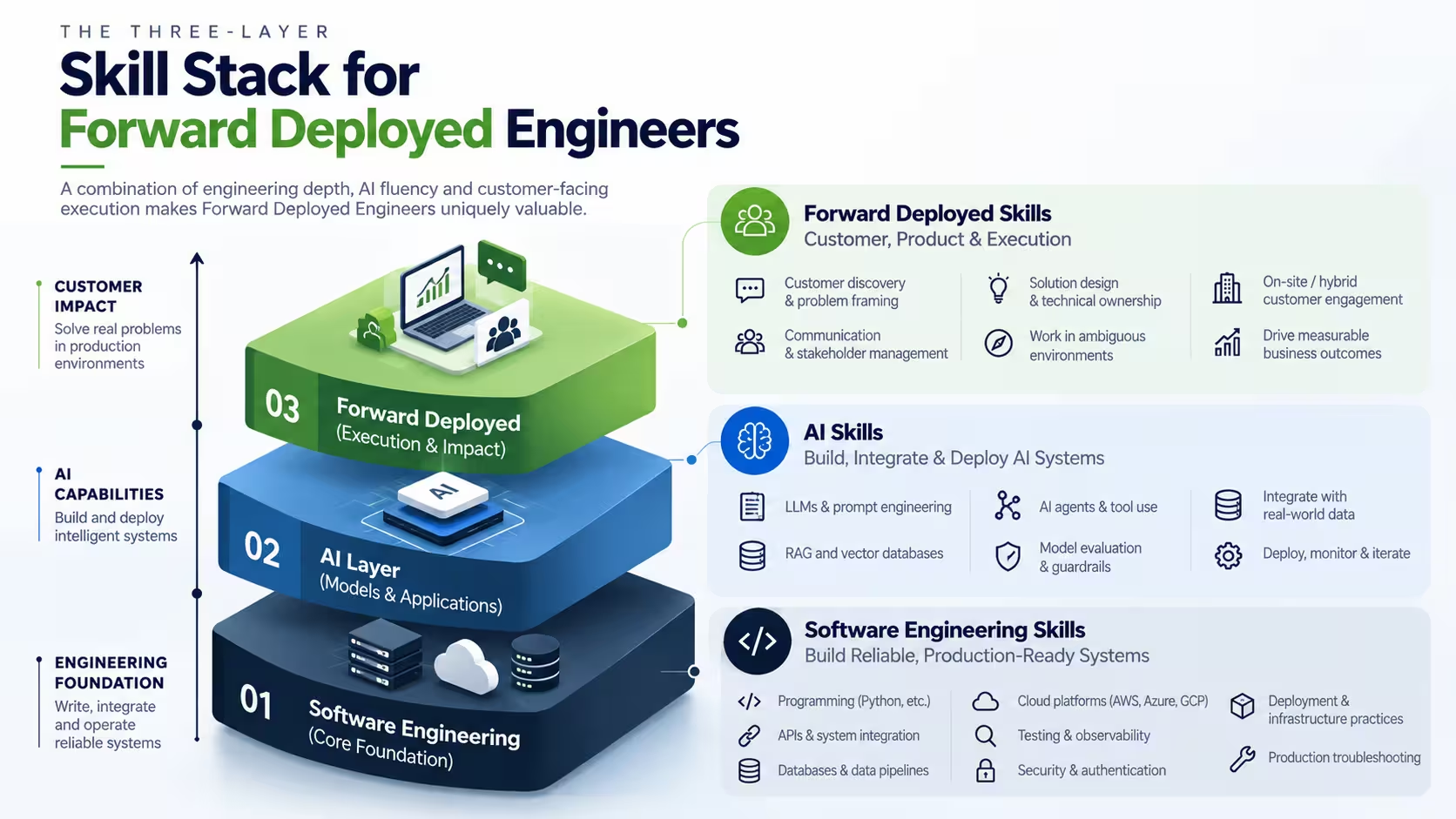
Three Skill Layers Required for Forward Deployed Engineers
A useful way to assess readiness is to build three connected layers:
- Engineering foundation: production coding, APIs, integrations, data pipelines, cloud infrastructure, testing, observability, security awareness, and deployment ownership.
- Customer delivery: discovery, clear communication, translating business needs into technical work, comfort with ambiguity, and ownership of customer outcomes.
- Domain and AI deployment fluency: knowledge of the customer’s operating context and, for AI roles, LLM integration, retrieval-augmented generation, evaluation, agent or tool-use patterns, and messy real-world data.
Python appears frequently in job postings, but depth in at least one primary language and the ability to ship reliably matter more than collecting tools. The strongest FDEs are T-shaped: deep enough in engineering to deliver, and broad enough in communication and problem framing to work independently with customers.
A Practical Preparation Path
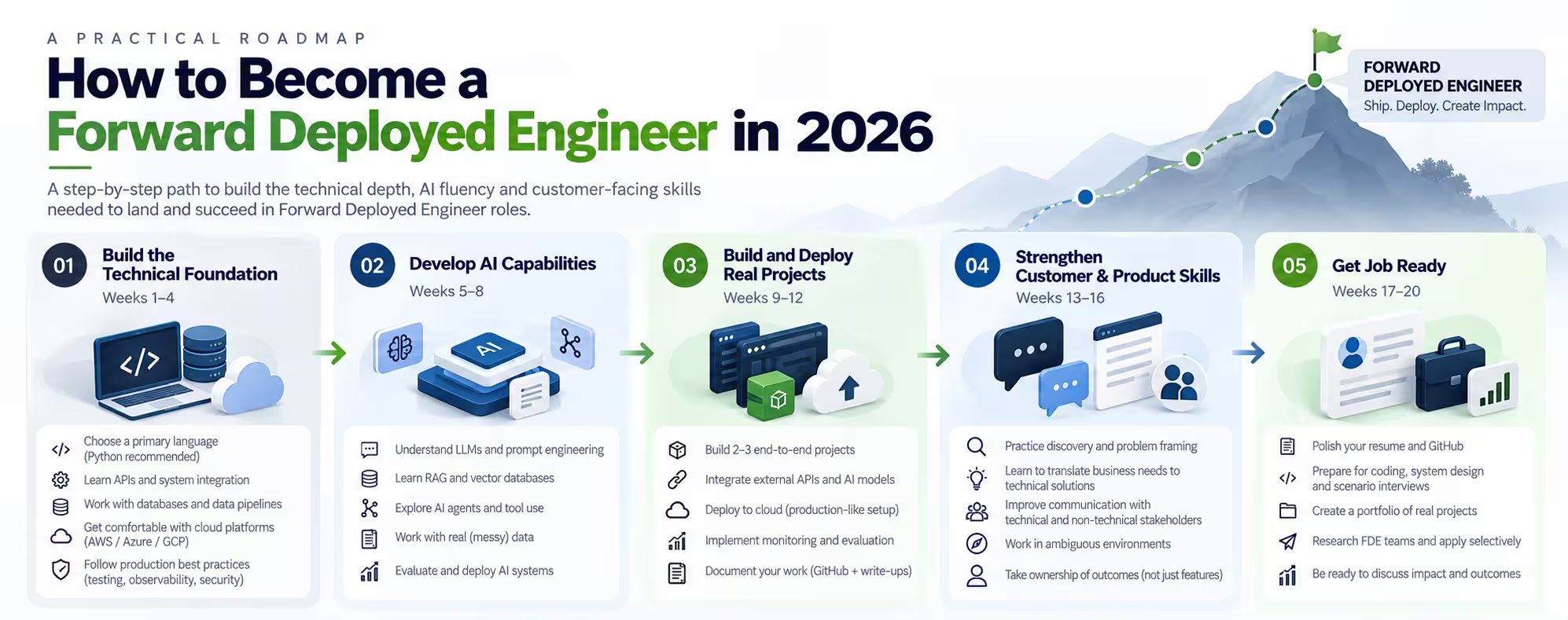
A focused 90-day plan can close common gaps for engineers who already have solid production experience.
Days 1–30: Close technical gaps
Audit your experience against common requirements. Prioritize missing areas such as data pipelines, cloud deployment, or production LLM patterns. Ship one end-to-end project that exercises those skills and make it public.
Days 31–60: Build customer-oriented evidence
Create or document work that demonstrates ownership of an outcome for a real user or stakeholder. Practice explaining technical decisions in business terms. When possible, seek internal opportunities involving customer or cross-team delivery.
Days 61–90: Prepare for interviews and targeted outreach
Practice realistic coding exercises involving messy data, integration problems, and production-quality code. Prepare structured stories that show discovery, decision, delivery, and outcome. Research teams with established Forward Deployed Engineering functions and apply selectively with clear evidence of fit.
Engineers starting with weaker production backgrounds will need longer—typically several years of shipping experience before the specialized FDE skill combination becomes realistic.
What Forward Deployed Engineer Interviews Test
- Practical coding focused on production quality and integration thinking.
- System or deployment design under customer constraints.
- Behavioral and scenario rounds that explore ambiguity handling and customer communication.
- For AI roles, evaluation approaches and production reliability of model-based systems.
The deciding rounds often test judgment under incomplete information rather than technical depth alone.
Career Progression and Realities
Progression typically moves from supporting scoped engagements to owning full customer outcomes, then to senior or principal roles handling complex accounts or shaping deployment practice across customers. The work can open paths into product, engineering leadership, or specialized vertical expertise. It can also involve substantial customer time, potential travel, and high ownership pressure. Clarify travel expectations and support structures early.
How Organizations Approach the Talent Gap
Because this skill combination is scarce, many companies struggle to hire experienced Forward Deployed Engineers at the pace they need. Some develop internal pathways, partner for specialized talent, or build pod structures that combine an FDE owner with supporting specialists. For professionals, the opportunity remains strong for those who deliberately develop production engineering and customer ownership.
Conclusion
Becoming a Forward Deployed Engineer in 2026 requires more than adding a new title to a resume. It requires production engineering strength, evidence of customer ownership, and the ability to operate in ambiguous environments— increasingly with AI systems in the mix.
Engineers who already ship reliable systems and can demonstrate customer impact are well positioned. Those missing parts of the combination can close the gap with focused project work and targeted preparation. The role continues to grow because the underlying need—turning technology capability into working production outcomes for customers—remains unmet at scale.
Frequently Asked Questions
How long does it take to become a Forward Deployed Engineer?
Engineers with three or more years of strong production experience can often close remaining gaps in a focused 90-day period. Those without solid shipping experience typically need several years of foundational engineering work first.
What is the most important skill for a Forward Deployed Engineer?
The combination of production engineering ability and customer ownership. Neither alone is sufficient.
Do I need AI experience to become an FDE?
Not for every role, but AI-related skills—especially production LLM and integration work—are increasingly expected in many high-demand positions.
Is coding still central to the Forward Deployed Engineer role?
Yes. Most strong FDE roles expect the engineer to write and own production code, not only configure or advise.
Can solutions engineers transition into Forward Deployed Engineer roles?
Yes, if they can demonstrate deeper production engineering and end-to-end ownership beyond demos and pre-sales work.
To discuss specialized engineering talent needs, contact Propellence.